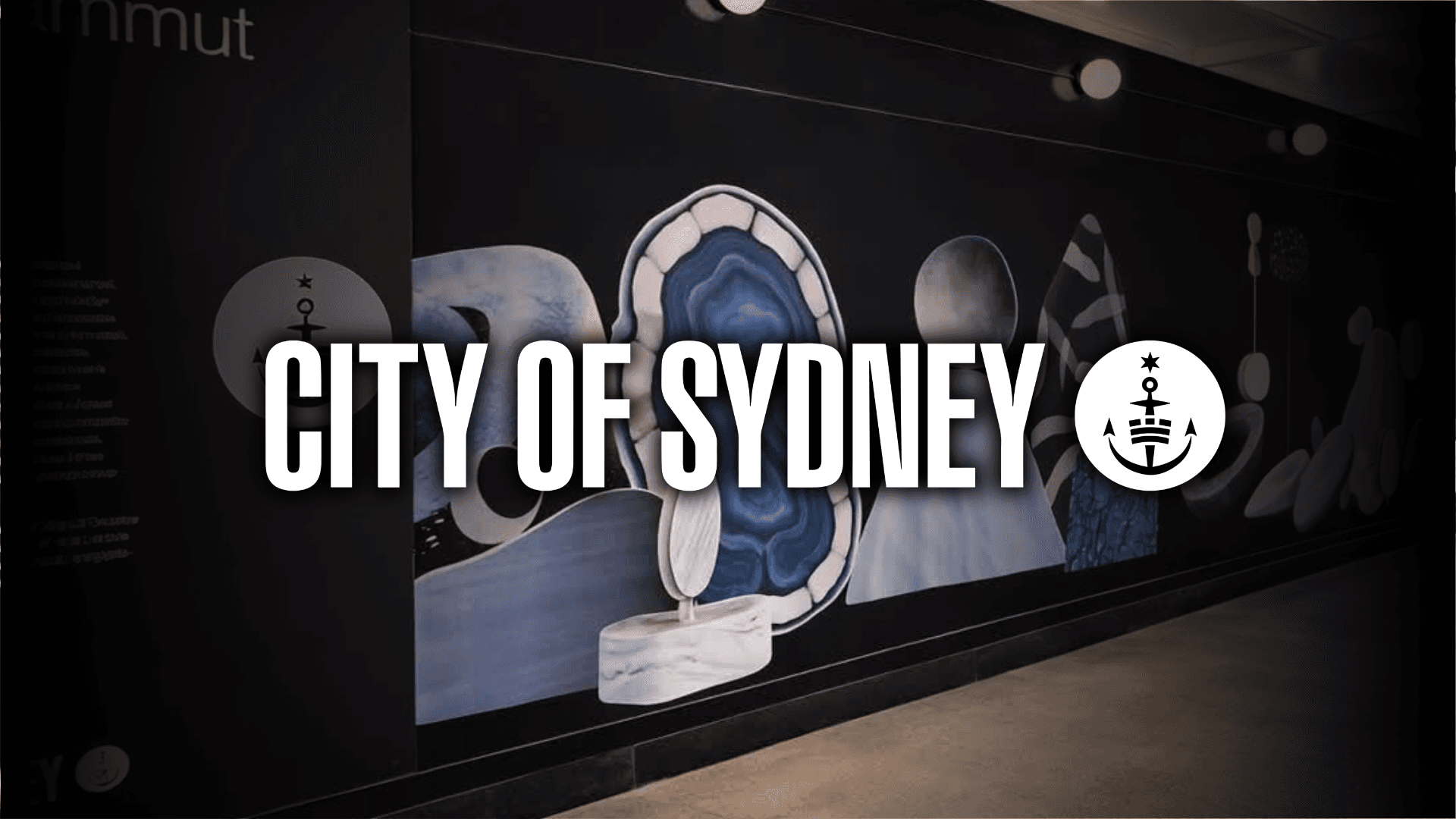
What Builders Need to Know, and How We Help You Get It Right.
In the City of Sydney, a hoarding is not just a fence around a jobsite.
In the right locations, it is a council-regulated part of the public domain. It must protect pedestrians, manage site impacts, and in many cases, do something else too. It must contribute to the streetscape.
That is where the City of Sydney Creative Hoardings Program comes in.
For builders, this is the part of the process that can catch teams off guard. You're already managing program pressure, consultants, structural requirements, approvals, pedestrian access, trades, neighbours and risk. Then council requires the hoarding to become artwork, historic storytelling, or both.
Handled badly, it becomes another approval headache.
Handled properly, it becomes a smoother approval path, a better-looking site, and one less thing for your team to chase.
The City’s current framework requires approval before construction-related temporary structures are installed on or above a public road. Its code also makes creative graphics mandatory in certain circumstances, including based on the location and duration of the installation, and says eligible hoardings and some scaffolding must display artwork or historic images.
So, what is the Creative Hoardings Program?
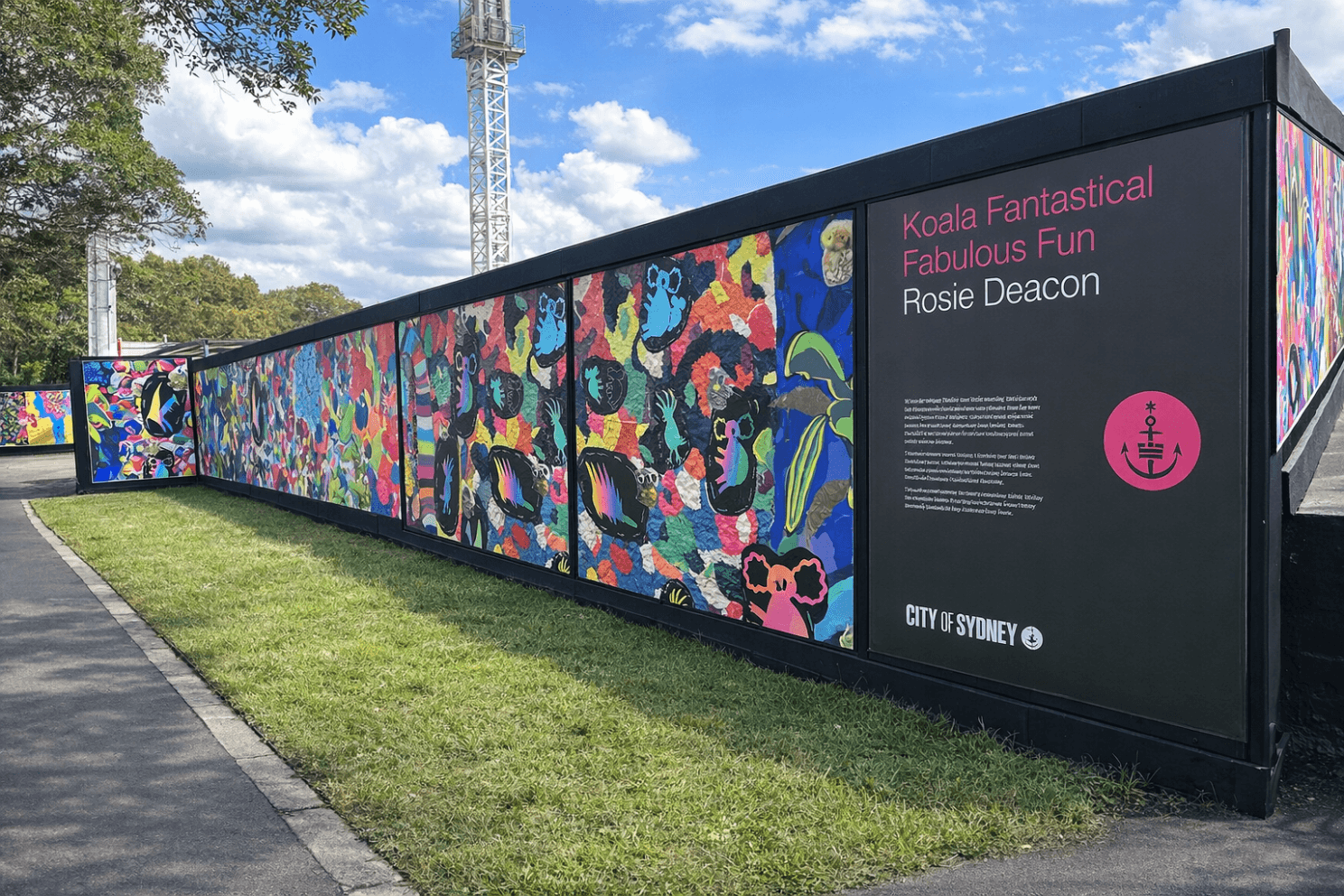
At its core, the program is the City’s way of reducing the visual impact of construction in busy public areas while giving artists visibility across Sydney. The City says the program was created in response to community demand for more street art and that developers with sites in high-traffic areas must cover their hoardings in art by a living Australian artist, or with historical images relevant to the area. Developers can commission their own artist or use City-licensed artworks free of charge.
In plain English, this means your hoarding may need to do more than screen the site. It may need to become a carefully designed public-facing installation that meets both technical and creative requirements.

4 Graphic Pathways Builders Need to Understand
The City’s guide sets out four main graphic design pathways:
1. City of Sydney Licensed Artworks: For non-heritage-listed sites, builders and developers can use pre-approved contemporary Australian artworks licensed by the City. These are freely available for use on hoardings within the City of Sydney area.
2. Bespoke Artworks: On non-heritage-listed sites, you can engage an Australian artist to create a new work, or license an existing one, but approval needs to go through the Cultural Projects Team before lodging the hoarding application, and the City says to allow at least 2 weeks for feedback. The City also makes clear it does not cover the cost of engaging the artist, licensing the work, printing or installation.
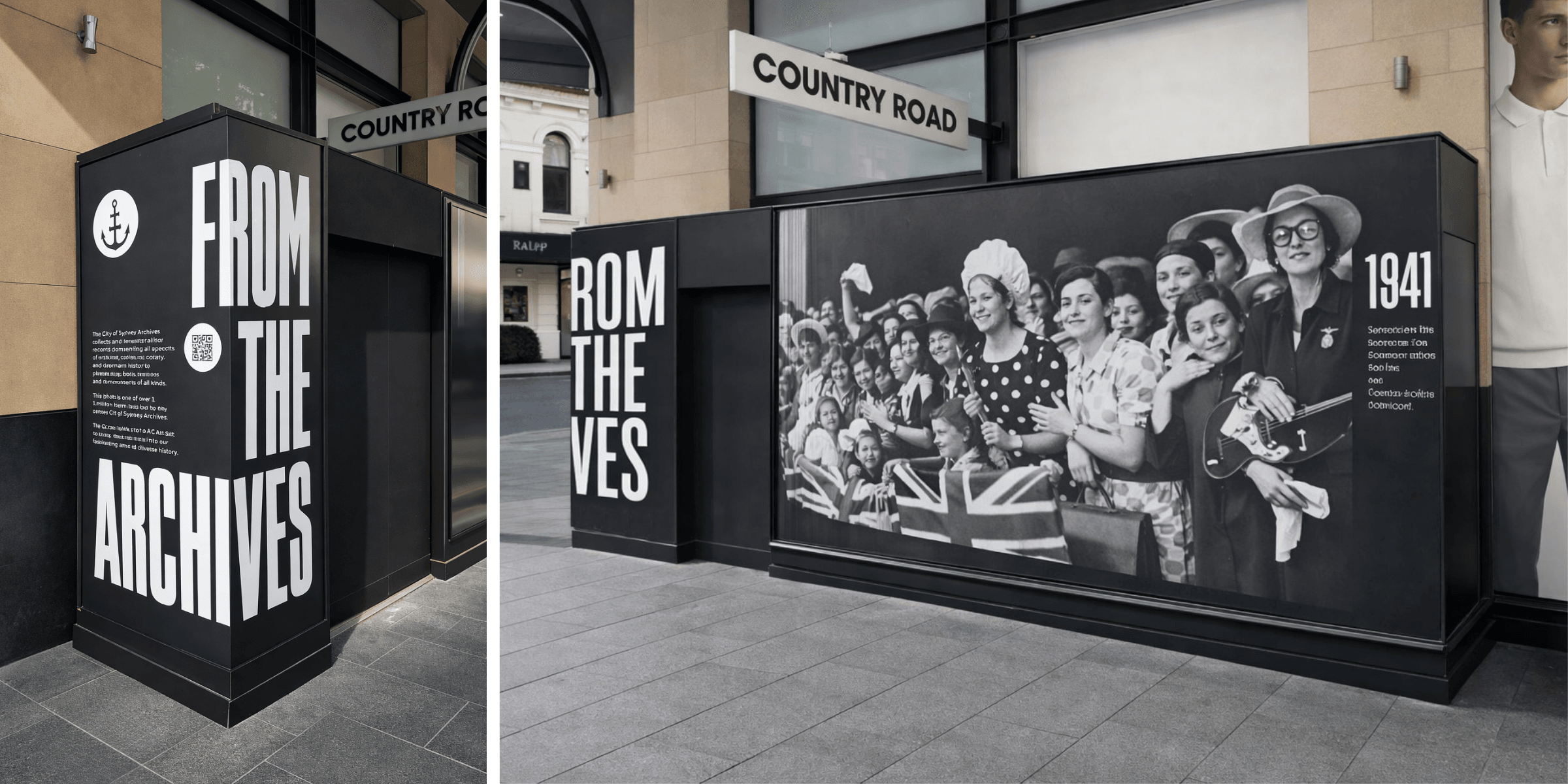
3. Historic Images: For heritage-listed sites, or sites in areas of heritage significance, the City requires historic imagery of the locality. It provides access to a self-service archive of high-resolution images and a layout template to help proponents prepare the design.
4. Bespoke Historic Graphics: For heritage-listed sites, you can also create a tailored historic narrative, but this is more involved. The guide says you must seek input from a professional historian or heritage consultant, provide a design statement, and receive approval to proceed from the City Historian before moving forward.
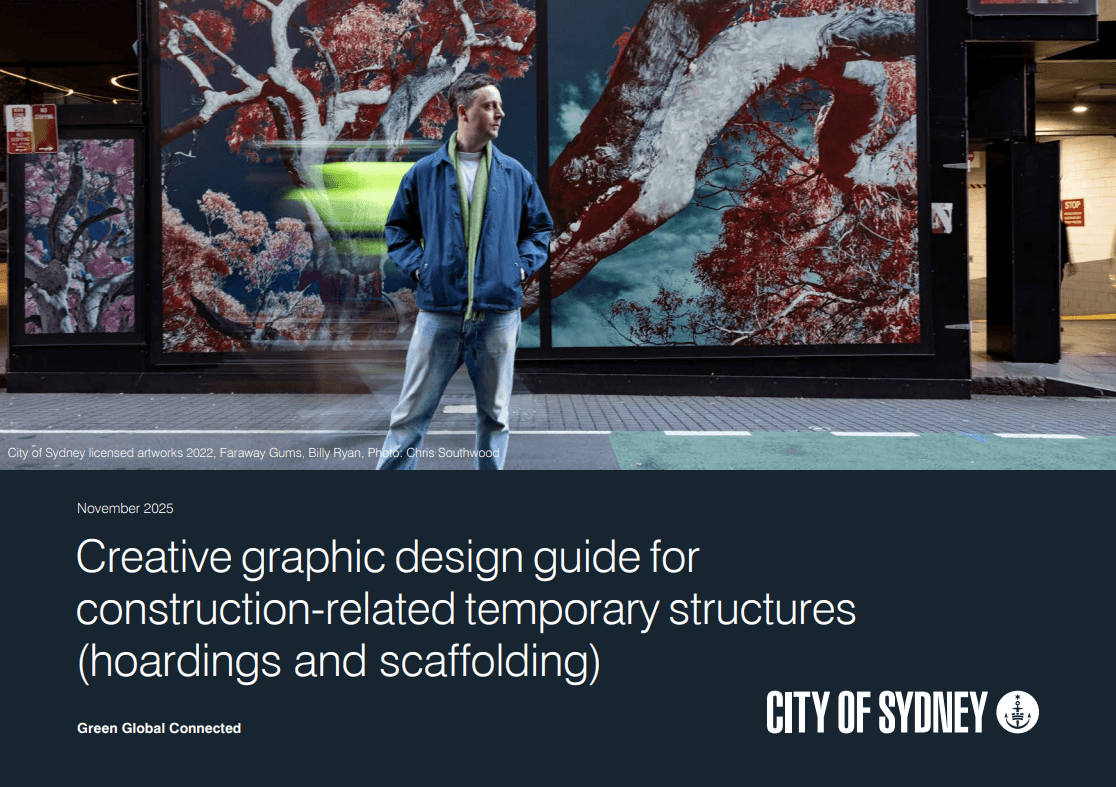
Download City of Sydney's Creative Graphic Design Guide.
What Does the Approval Process Actually Look Like?
Builders often ask for more clarity around this process as there are three ways to deliver Creative Hoardings under the City of Sydney program. The process depends on whether you use City-supplied artwork, custom artwork, or historic-themed graphics.
Each pathway has different approval steps, timeframes, and involvement from the City.
City-Licensed Artwork
Fastest and most straightforward option. This uses artwork from the City of Sydney’s approved Creative Hoardings library. Because the designs are already pre-approved, the process focuses mainly on correct setup and compliance.
Process
- Nominate at least three artwork options in your Temporary Structures application
- City reviews and approves one option
- City provides download link + terms of use
- Artwork is set to hoarding dimensions
- Submit to City: PDF print proof Hoarding Graphics Design Compliance Statement
- Receive confirmation
- Install approved artwork
- Artwork must be installed within 2 weeks of hoarding completion
Bespoke Artwork
Custom creative designed specifically for your project. This pathway allows you to commission original artwork or use licensed content. Because the City must review and endorse the design, the process should begin before lodging your Temporary Structures application.
Process
- Contact City of Sydney Cultural Projects team
- Create or commission artwork
- Submit artwork for review
- City provides feedback
- Revise design if required
- Receive City endorsement
- Submit final artwork with Temporary Structures application
- Build hoarding
- Install approved artwork
- Notify City once installed
Bespoke Historic Graphics
Heritage-focused artwork with structured review process. Historic graphics follow a more detailed pathway, involving heritage input and review by the Historic Creative Content Working Party. This option typically requires additional time and staged approvals.
Process
- Contact Cultural Projects team early
- Submit concept for initial review
- Receive historical guidance and references
- Develop artwork design
- Submit formal design for review
- Historic Creative Content Working Party assessment
- Receive feedback (allow minimum 2 weeks)
- Revise artwork if required
- Receive final sign-off
- Submit print proof
- Receive print approval
- Install artwork after hoarding completion
- Notify City for inspection
- City reviews and accepts installation
- Final approved artwork must be installed within 2 weeks of hoarding completion

The Design Rules Matter More Than Most People Realise
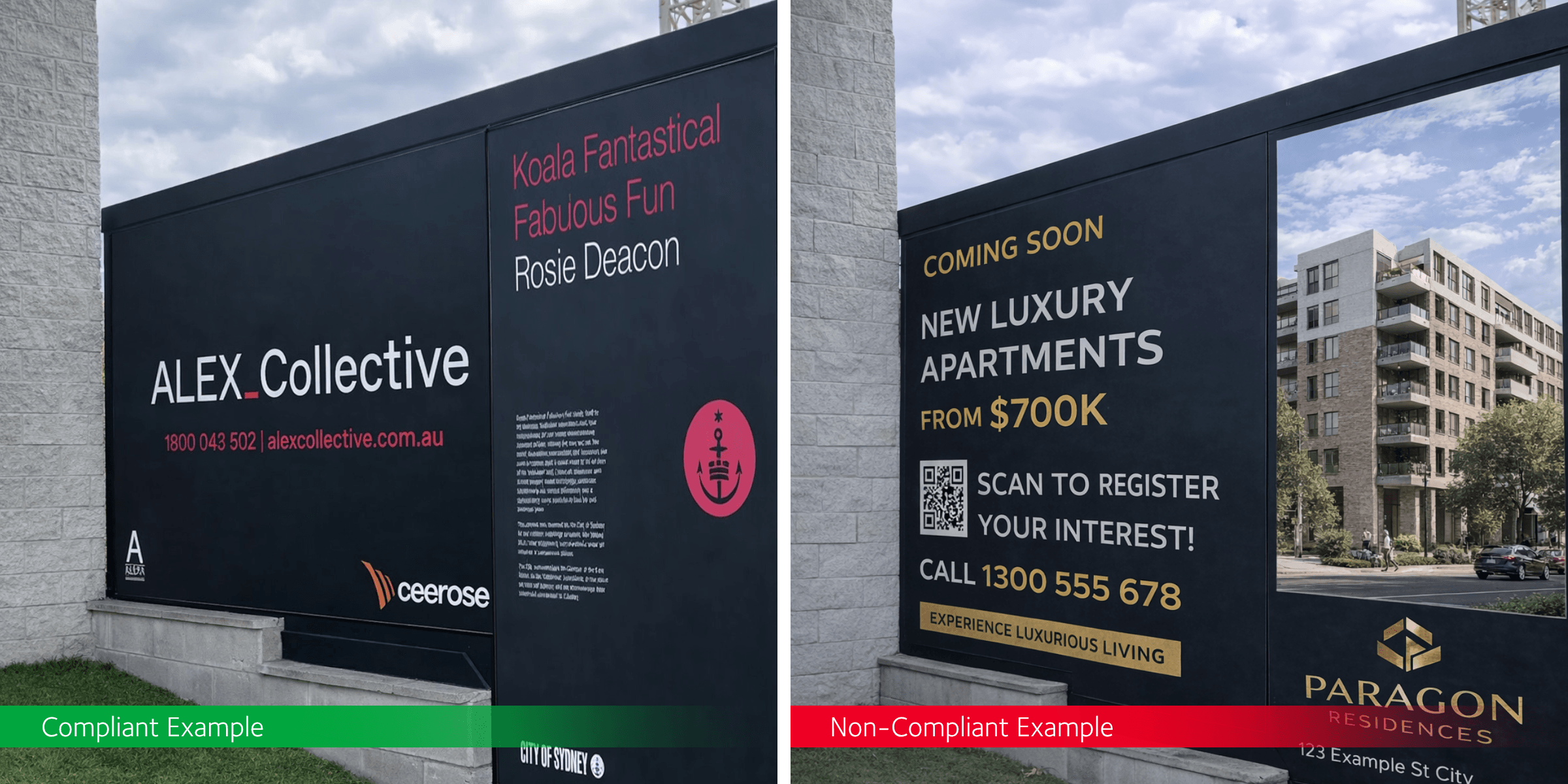
In the City of Sydney, creative hoardings are treated as public artwork, not advertising space, meaning you cannot simply place a logo on a fence and call it compliant.
For bespoke artwork, the City expects designs to:
- Avoid promotional graphics for a business or product
- Avoid obvious brand advertising
- Avoid strong brand association through colour, style or imagery
- Be seen as public artwork rather than marketing
As a rule of thumb, if it looks like a billboard, it’s unlikely to be approved. If it reads as public artwork, it’s far more likely to be accepted.
Branding is tightly controlled
Branding is permitted, but only in a structured and secondary way. Logos cannot form part of the artwork itself and must sit separately.
For City-licensed artwork hoardings:
- Maximum 1 builder logo per street frontage
- Maximum 2 developer / owner logos per street frontage
- Logos must sit within a separate project information panel
- Logos cannot interrupt or overlay the artwork
If community or project information is included:
- It must also sit within a separate information panel
- It cannot be integrated into the artwork
Text and QR code requirements
Information panels must also meet strict readability guidelines. These rules ensure content is accessible from the public domain.
Requirements include:
- Minimum 20mm text height
- Sans serif font only
- Left aligned text
- QR codes permitted
- Text and QR codes positioned 1400mm–1600mm above ground
Construction signage must be planned into the design
Mandatory construction and safety signage cannot be added later in a way that covers the artwork. This needs to be considered during the design phase.
The City requires:
- Mandatory builder and safety signage must not cover the artwork
- The design must allow blank space for required signage
- Construction signage cannot be placed over graphics after installation
Existing businesses must also be considered
If hoardings obscure shopfronts or nearby businesses, additional obligations may apply. The City expects applicants to consider visibility and continuity for affected tenants.
This may include:
- Replicating existing business signage on the hoarding
- Maintaining visibility for affected businesses
- Addressing these considerations during the design stage
These requirements ensure creative hoardings balance public artwork, controlled branding, construction compliance, and community impact.
What About Scaffolding Wraps?
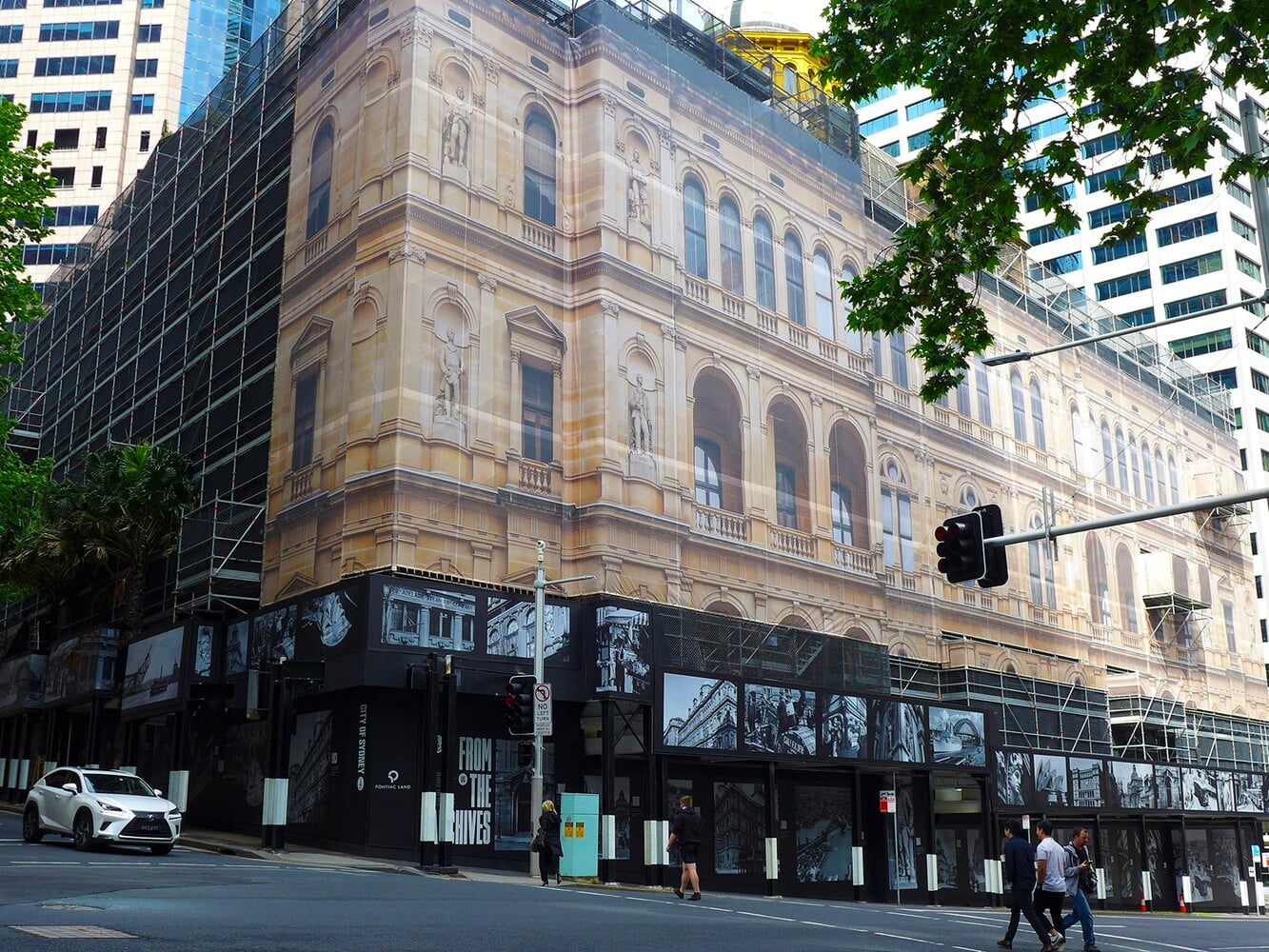
Scaffolding wraps are also covered under the creative graphics framework, and can be used to display artwork or historic imagery in certain situations. Because scaffolding introduces structural and wind loading considerations, the design process needs to begin early. City of Sydney's guide recommends allowing at least 12 weeks before the proposed scaffolding installation, as engineering, design, cost and approvals can all be affected.
Black containment mesh is typically preferred on the external face, as it provides a consistent surface for artwork or historic graphics. Branding and promotional signage are generally not permitted on scaffolding wraps unless specifically approved.
Where historic imagery is used, a credit strip must be incorporated into the design. This includes the image citation and City of Sydney logo, positioned within a black border at the bottom of the graphic, with prescribed text sizes for attribution and credit.
What Do Builders Need to Lodge with Council?
City of Sydney hoarding approvals typically require a digital submission with multiple supporting documents, depending on the project. Supporting documentation may include a site plan, architectural drawings, structural drawings and certification, artwork or historic image details, public liability insurance, and a completed design checklist or certification.
Temporary structure site plans must be detailed. Footway layouts, street trees, street furniture, ticket machines, poles, and pedestrian and traffic signals all need to be shown. Laneway locations can trigger additional requirements, including swept-path drawings and records of neighbour consultation.
A minimum of $20 million public liability insurance is required, with the applicant named as the insured person or company, and performance bonds may apply, particularly for Type B hoardings, which may be required before approval is issued.
Occupation fees generally apply because hoardings often use public street space. Costs vary depending on hoarding type, location, frontage length, duration, and whether sheds are placed on the hoarding deck. Exact fees are confirmed only after the application has been lodged and assessed.
What Happens if You Get it Wrong?
This is where creative hoardings stop being a design exercise and become a compliance issue.
Authorised officers in the City of Sydney may issue penalty notices, give orders and initiate court action for non-compliance with the policy, the code and the approval itself. It may issue an immediate infringement depending on the seriousness of the circumstance. The application form also warns that if the submission is non-compliant with the Code, the City may reject or formally refuse the application and the application fee will not be refunded.
On top of that, the policy notes approvals can be revoked under the Local Government Act, and a search result from the current policy materials notes an approval may also be revoked under section 140 of the Roads Act 1993.
Applications are treated as legal declarations, not just paperwork. Providing information that is knowingly wrong, incomplete, or misleading can result in a fine. The form specifically warns that false or misleading information is an offence, carrying a maximum penalty of 20 penalty units, calculated using the NSW government’s set dollar value per unit.
City of Sydney's creative hoardings program is not just “council art stuff", it is a regulated approval pathway tied directly to your permit, your timing and your ability to occupy public space.
Learn more about The Local Approvals Policy ➝
Learn more about The Code of Practice ➝
Where Builders Usually Get Stuck
Most builders don’t struggle because the rules are difficult. They struggle because everything happens at once.
You’re juggling approvals, design, branding, safety signage, structural requirements, heritage, print and install, all while the program is already moving. Then one small thing slips. The artwork needs adjusting, council wants a change, a panel can’t go where planned, a sign gets added late, and the proof comes back again.
None of it is major on its own. But together, it starts eating time and before long, the hoarding isn’t just protecting the site - It’s another job to manage, another set of emails, another approval holding things up.
How Sitemax Helps Builders Get Through It
City of Sydney hoardings can become frustrating because compliance does not sit in one place. Structure, graphics, signage, layout and approvals all overlap. Miss one piece and the whole thing slows down. What should feel straightforward quickly turns into coordination, revisions and pressure on program timing.
Sitemax simplifies that into one managed outcome. A compliant A-Class hoarding constructed properly, printed vinyl graphics produced and installed cleanly, required signage positioned correctly, everything aligned with what council expects. No juggling multiple suppliers, no second guessing requirements, no last-minute compromises on site.
But compliance does not stop at install. As construction progresses, presentation can drift. Graphics get marked, panels loosen, visibility drops. What was compliant on day one slowly changes. Graffiti is one of the fastest ways this happens. Artwork becomes damaged, information panels become unreadable, and a hoarding that met council expectations suddenly looks neglected.
Anti-graffiti coating helps prevent this. Marks can be removed quickly without damaging the printed artwork, keeping creative hoardings clean, legible and compliant for the life of the project - right now, you can plan ahead and receive a 70% discount on anti-graffiti coatings when you upgrade your vinyl banner hoardings before 30th June 2026.
Site maintenance plans then keep everything aligned. Hoardings stay clean, tensioned and visually consistent. If scaffolding goes up, Sitemax also prints scaffold building wraps for containment, helping carry presentation up the structure as the build rises.
Getting started is simple. Share the site, timing and any approval or concept if available. Sitemax reviews requirements, confirms the path forward, then handles construction, graphics, installation and ongoing maintenance if needed. Start Here.
The Real Takeaway
The City of Sydney Creative Hoardings Program is not about decorating a fence.
It is about meeting council requirements for temporary structures in a way that protects public amenity, respects place, and lifts the visual standard of the city while construction is underway. Done well, it can also lift the perceived quality of your site, your project and your delivery team.
For builders, the smartest approach is to think about creative hoardings early, while approvals, design and delivery are still moving together. When it’s planned from the start, everything lines up more smoothly. Fewer surprises, fewer late changes, fewer moments where the program pauses while details get reworked.
The result is a compliant hoarding that feels considered, presents well on the street, and moves through the process with far less friction.