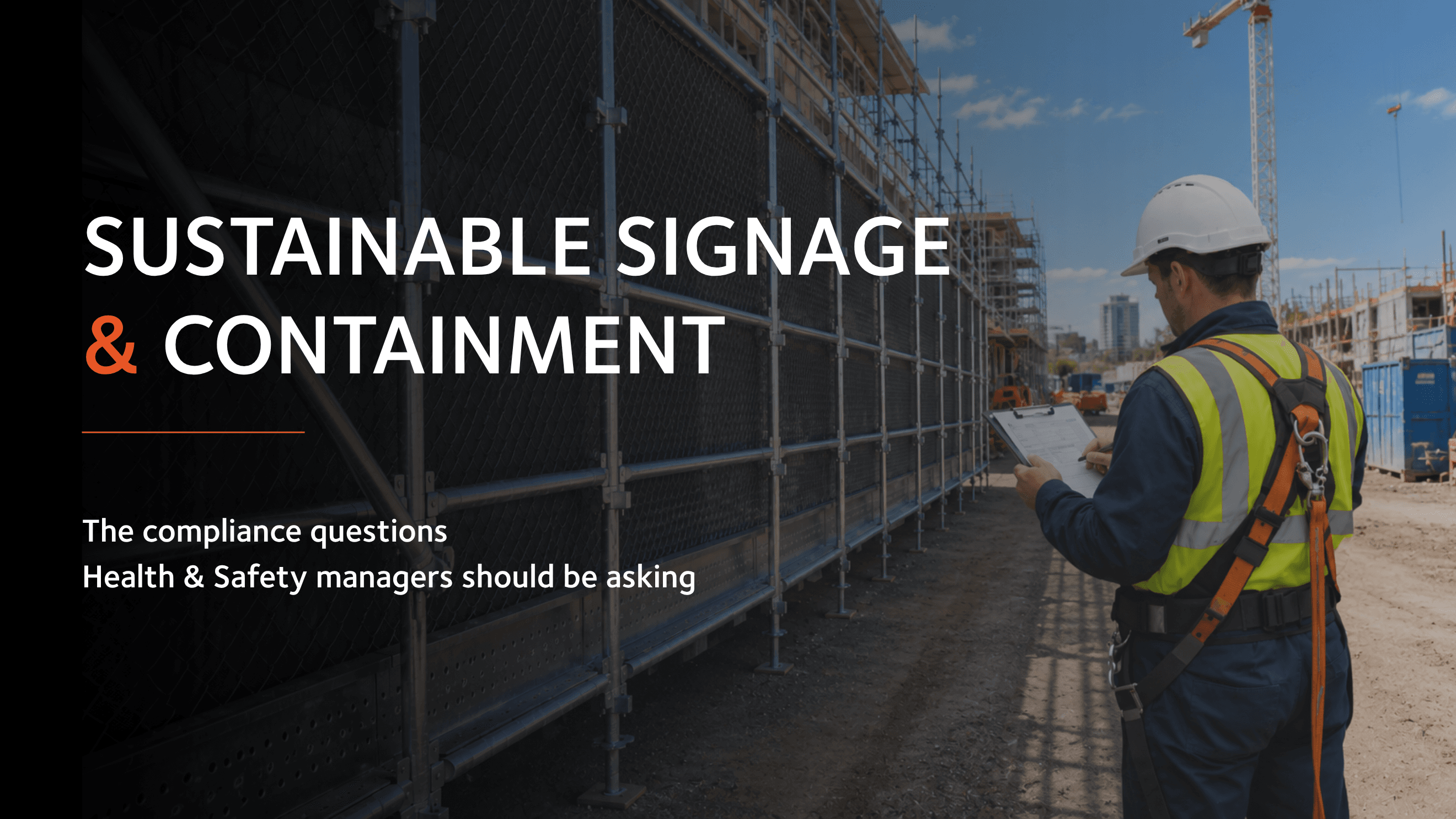
The Fastest Way to Lose Trust on Site
A supplier turns up talking about a new "sustainable alternative". Reusable. Lower waste. Better for ESG reporting.
Sounds great.
But if you're the Health & Safety Manager signing off on containment systems, your brain immediately goes somewhere else:
Will this still perform properly when the weather turns, the scaffold loads up, or the auditor walks site?
Because if something fails, nobody cares how sustainable it was.
Suddenly you're answering questions like:
- Why was this product approved?
- Was the compliance documentation checked?
- Why did the system fail?
- Could the risk have been identified earlier?
That's why experienced Health & Safety managers don't buy sustainability claims alone. They look for proof.
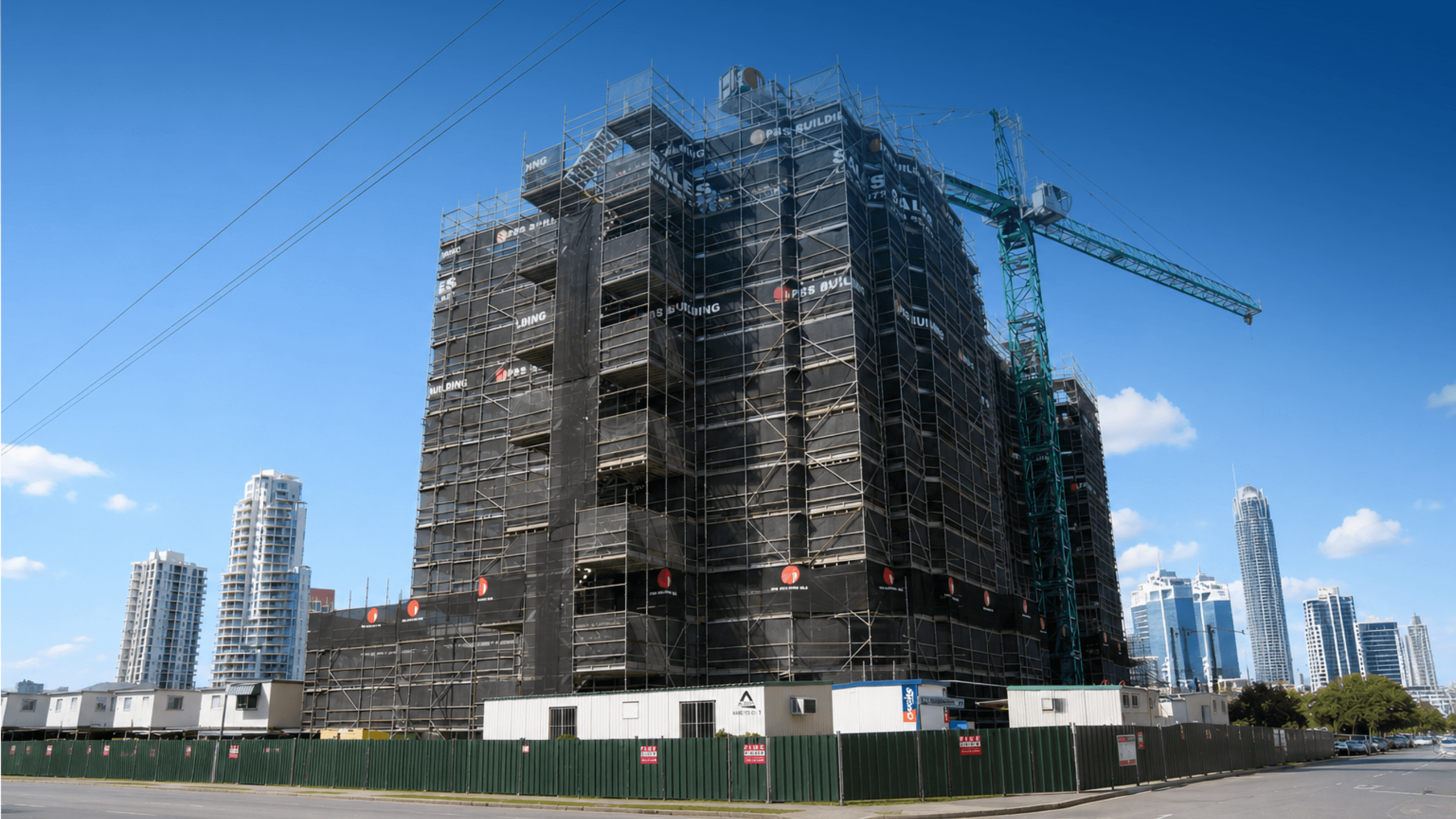
Sustainability Doesn't Remove Responsibility
There's a growing push across construction towards reusable systems, lower waste and more sustainable procurement. But on site, the priorities haven't changed.
- Scaffold containment still needs to perform.
- Fixings still need to meet the required standard.
- Fire ratings still matter.
- Documentation still needs to stand up to audit.
- Worker safety still comes first.
When project pressure ramps up, nobody wants to discover the "sustainable option" created a compliance problem six weeks later.
That's where many suppliers lose credibility. They talk about sustainability, but they can't answer the technical questions behind it.
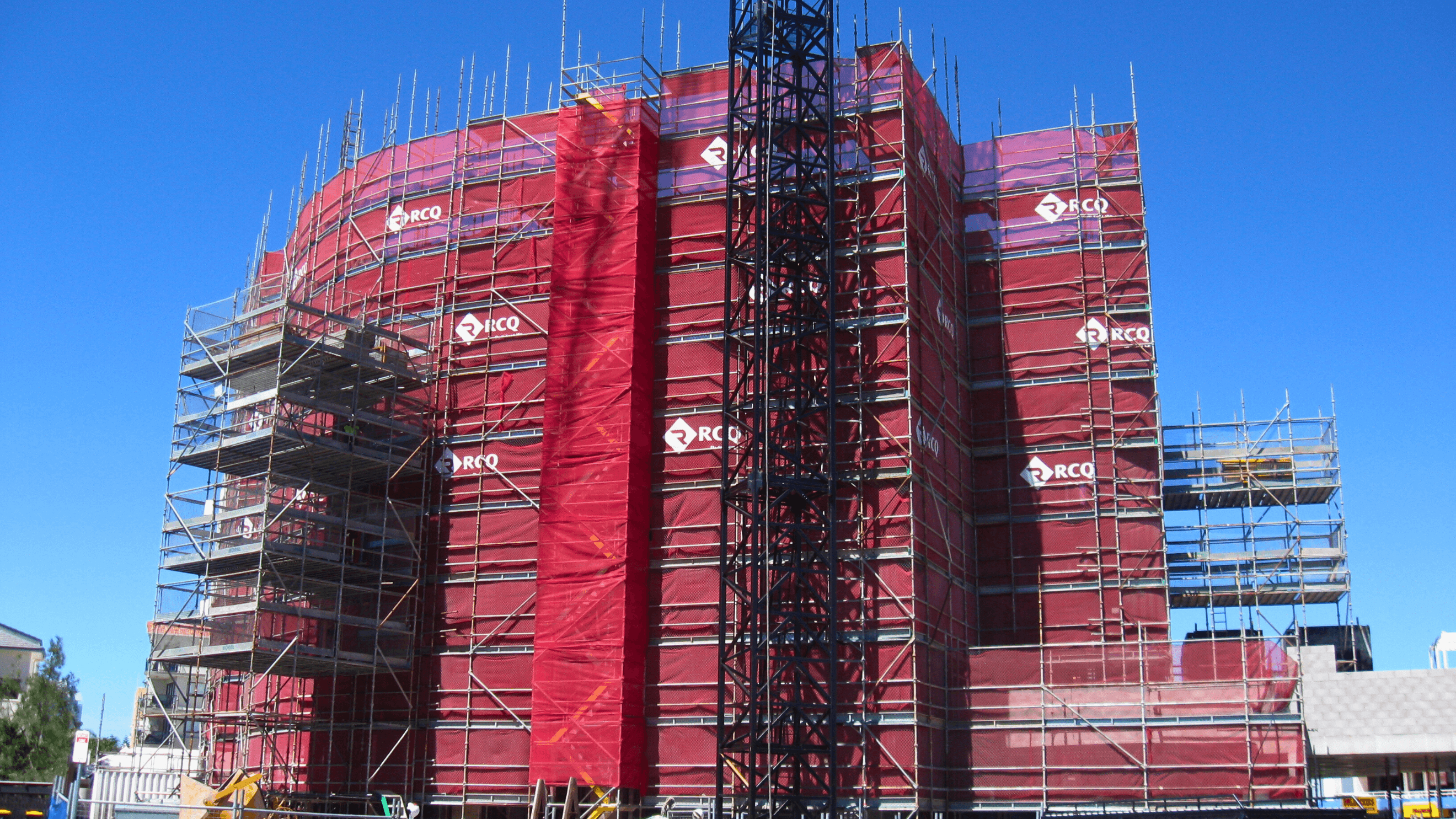
A Simple Supplier Checklist
Before approving any containment product, ask your supplier:
✔ Does it meet AS1576.7 requirements?
✔ Can you provide the compliance documentation?
✔ What fire rating options are available?
✔ What fixing system is used?
✔ Has the product been designed specifically for construction conditions?
✔ What happens when components need replacing?
✔ Can you provide evidence to support your sustainability claims?
The answers tell you far more than any marketing brochure ever will.
Why Reusable Containment Is Getting More Attention
Traditional containment systems can create a familiar cycle.
Install. Damage. Remove. Replace. Repeat.
Every replacement means more labour, another procurement decision, more material and more waste to manage.
Reusable containment systems are getting more attention because they aim to reduce that cycle. But reusable only matters if the system still performs properly under real construction conditions. That's the part Health & Safety managers care about most.

How Sitemax Approaches It
At Sitemax, we believe sustainability should never come at the expense of compliance or site performance. That's why we focus on three things:
- Compliance with relevant standards
- Reliable performance in real construction conditions
- Sustainability benefits that support both—not compromise them
SpiderMesh™
SpiderMesh™ is a reusable scaffold containment system designed to reduce reliance on single-use containment materials without compromising containment performance.
The steel frame is retained and reused across multiple projects, while only the liner is replaced when required. That means crews replace the liner - not the entire system.
For Health & Safety managers, the important part is that the system is designed around containment performance, practical site use and compliance - not just sustainability messaging.
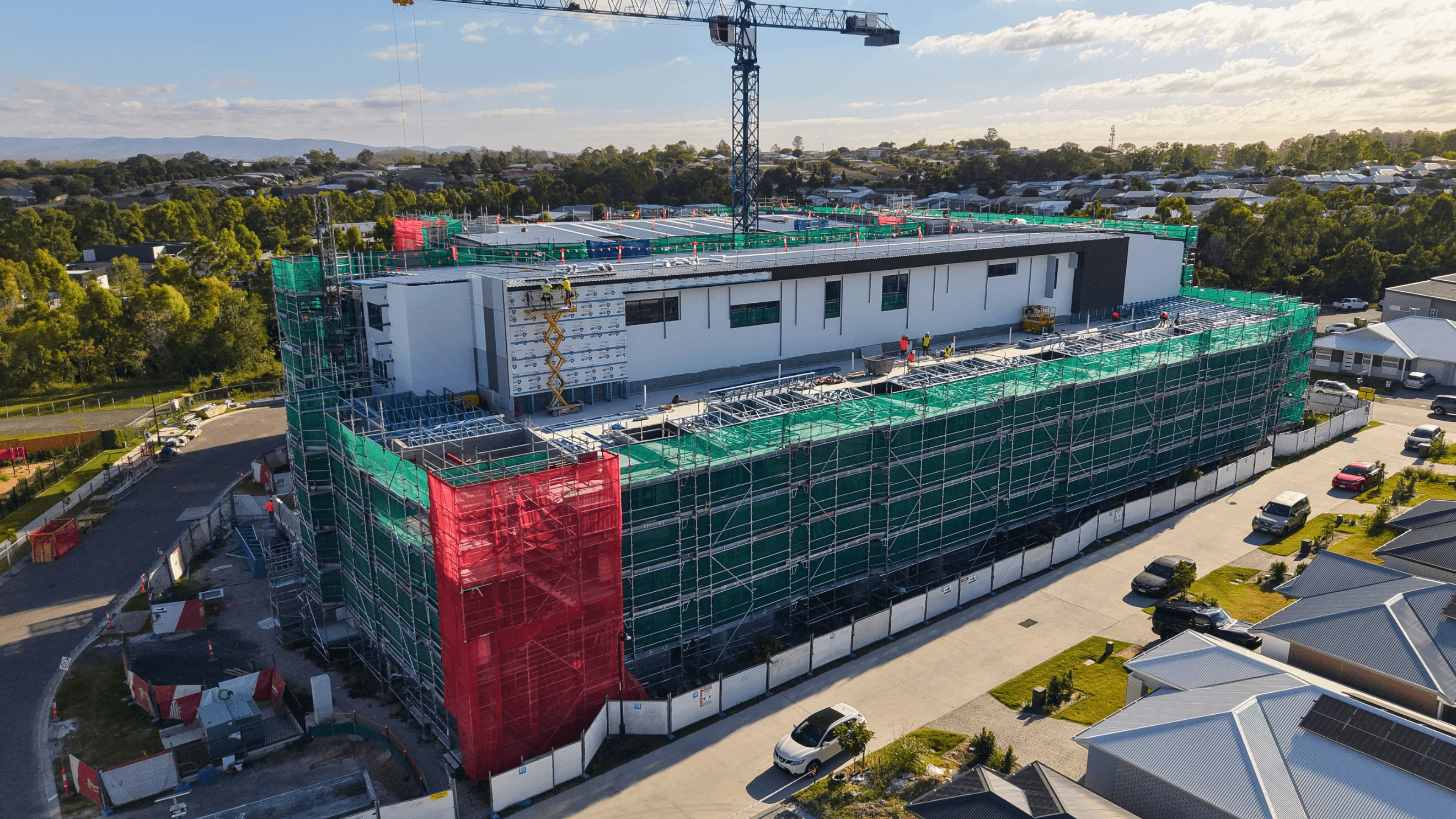
J-Ties™
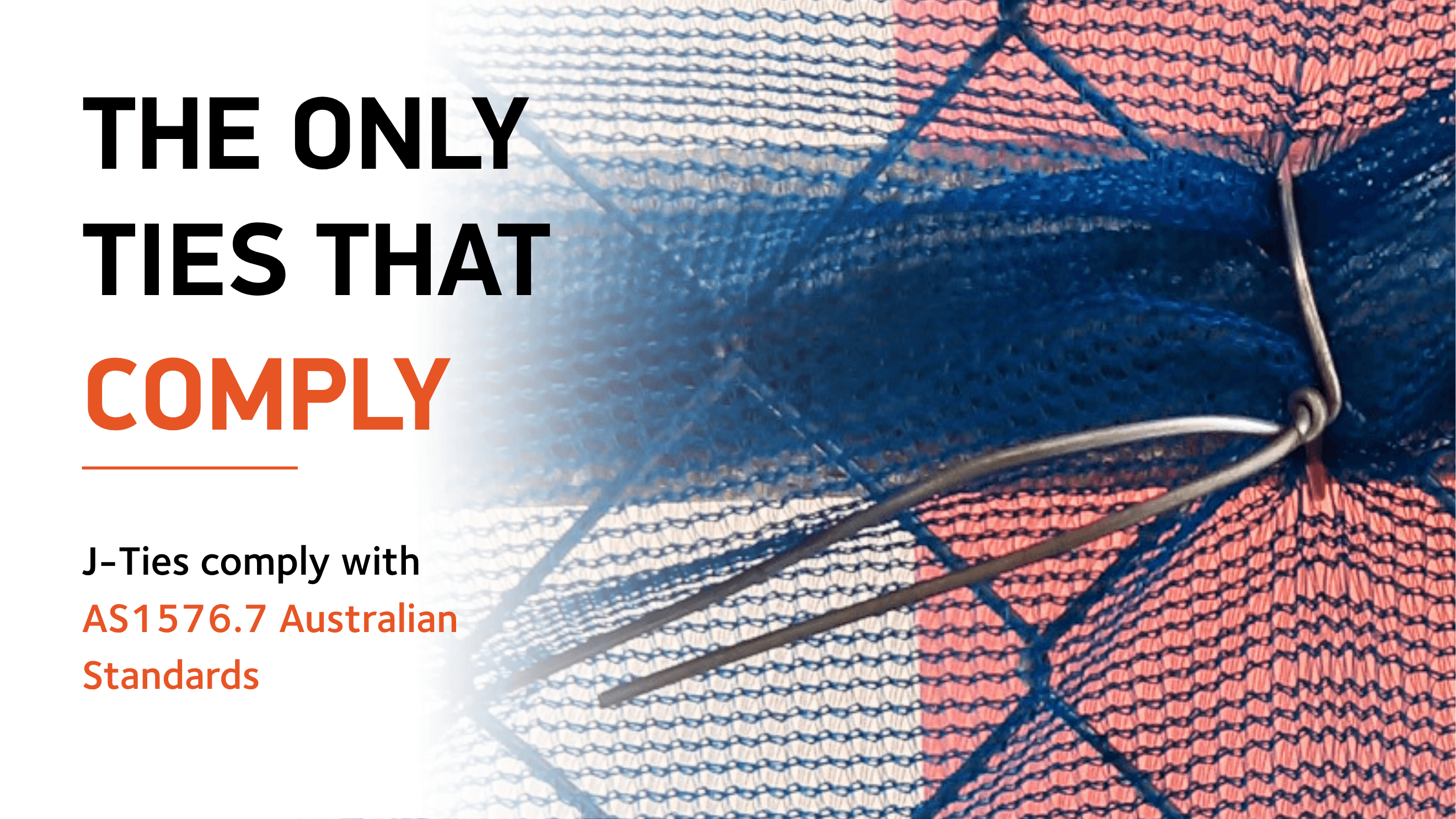
J-Ties™ are galvanised steel containment fixings designed to exceed AS1576.7 scaffold containment requirements because no containment system is stronger than the fixing system holding it together.
Manufactured from recyclable galvanised steel, they demonstrate that compliance and circularity don't have to be treated as separate considerations.
The Best Sustainable Systems Don't Feel Risky
The best sustainable products in construction aren't the ones making the biggest environmental claims. They're the ones that still give Health & Safety managers confidence when the scaffold is loaded up, the weather changes and the pressure ramps up on site.
Because at the end of the day, nobody remembers the sustainability pitch.
They remember whether the system performed when it mattered.
Good sustainability should reduce risk, not introduce it.

Require Supporting Documentation?
If you're assessing scaffold containment systems for an upcoming project, we can provide:
- Compliance certificates
- Product data sheets
- Fire rating information
- Technical specifications
- Sustainability documentation to support ESG reporting and tender submissions
Visit our Sustainability Page or contact our Customer Support team to request the information you need.